Sustainable Water Treatment, Delivered Anywhere
Customize Your Smart Packaged Plant in 5 Steps DESIGN NOWSustainable Water Treatment, Delivered Anywhere
Customize Your Smart Packaged Plant in 5 Steps DESIGN NOWOptimizing Water Management
for a More Sustainable Future
MABR TECHNOLOGY
Revolutionizing Wastewater Treatment
Activated sludge treatment has long been used for aerobic wastewater treatment, but its aeration stage is particularly energy-intensive, and as a result, expensive. Fluence's self-respiring membrane aerated biofilm reactor (MABR) technology is truly a game changer in wastewater treatment, providing highly efficient nutrient removal to improve effluent quality with a minimal footprint. Fluence's best-in-class MABR technology is available in two versatile formats:
Aspiral™ Smart Packaged Plants
SUBRE Wastewater Treatment Upgrades
Aspiral™ Smart Packaged Plants
SUBRE Wastewater Treatment Upgrades
DECENTRALIZED TREATMENT
Smart Water and Wastewater Treatment, Anywhere
Decentralized treatment, also known as distributed treatment, means siting scaled water or wastewater treatment adjacent to supply, need, or both. At Fluence, we believe decentralized treatment is the future of water and wastewater management, and our advancements in technology and packaging are making decentralization feasible and affordable for a wide range of industrial, municipal, and commercial applications, anywhere in the world. Learn more about our decentralized treatment solutions:
What is Distributed Wastewater Treatment?
NIROBOX™ for Water Treatment
What is Distributed Wastewater Treatment?
NIROBOX™ for Water Treatment
Learn More About Decentralized Treatment
WASTE-TO-ENERGY
Turn Your Waste Into a Resource
To ensure long-term sustainability, waste-to-energy solutions treat wastewater and produce energy, converting what would otherwise be discarded as waste into a valuable resource. We offer complete solutions for different industries, covering their wastewater needs from A-Z with the following treatments:
- Waste-to-energy treatment, which is custom-tailored to meet specific parameters. Fluence technologies can be used alone or in tandem to operate independently or to complement an existing wastewater treatment system.
- Aerobic treatments, which work with anaerobic processes for a complete solution. Fluence solutions help you remove nitrogen compounds to meet discharge limits.
- Processes that prepare effluent for waste-to-energy treatment. Fluence solutions remove grease and solids before anaerobic digestion and help in sludge management.
Learn More About Waste-to-Energy
Revolutionizing Wastewater Treatment
Activated sludge treatment has long been used for aerobic wastewater treatment, but its aeration stage is particularly energy-intensive, and as a result, expensive. Fluence's self-respiring membrane aerated biofilm reactor (MABR) technology is truly a game changer in wastewater treatment, providing highly efficient nutrient removal to improve effluent quality with a minimal footprint. Fluence's best-in-class MABR technology is available in two versatile formats:
Aspiral™ Smart Packaged Plants
SUBRE Wastewater Treatment Upgrades
Aspiral™ Smart Packaged Plants
SUBRE Wastewater Treatment Upgrades
Smart Water and Wastewater Treatment, Anywhere
Decentralized treatment, also known as distributed treatment, means siting scaled water or wastewater treatment adjacent to supply, need, or both. At Fluence, we believe decentralized treatment is the future of water and wastewater management, and our advancements in technology and packaging are making decentralization feasible and affordable for a wide range of industrial, municipal, and commercial applications, anywhere in the world. Learn more about our decentralized treatment solutions:
What is Distributed Wastewater Treatment?
NIROBOX™ for Water Treatment
What is Distributed Wastewater Treatment?
NIROBOX™ for Water Treatment
Learn More About Decentralized Treatment
Turn Your Waste Into a Resource
To ensure long-term sustainability, waste-to-energy solutions treat wastewater and produce energy, converting what would otherwise be discarded as waste into a valuable resource. We offer complete solutions for different industries, covering their wastewater needs from A-Z with the following treatments:
- Waste-to-energy treatment, which is custom-tailored to meet specific parameters. Fluence technologies can be used alone or in tandem to operate independently or to complement an existing wastewater treatment system.
- Aerobic treatments, which work with anaerobic processes for a complete solution. Fluence solutions help you remove nitrogen compounds to meet discharge limits.
- Processes that prepare effluent for waste-to-energy treatment. Fluence solutions remove grease and solids before anaerobic digestion and help in sludge management.
Learn More About Waste-to-Energy
Featured Case Studies
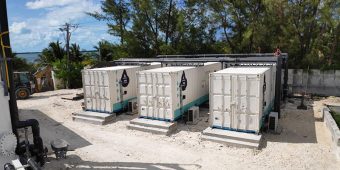
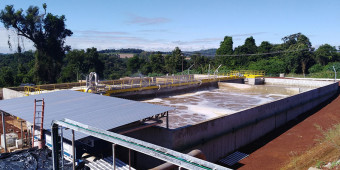
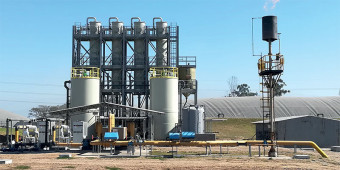
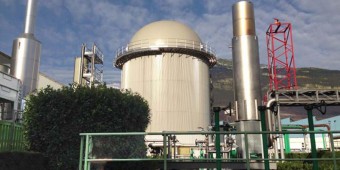
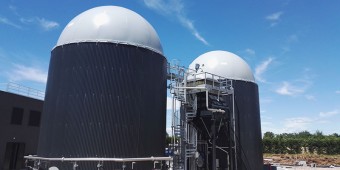
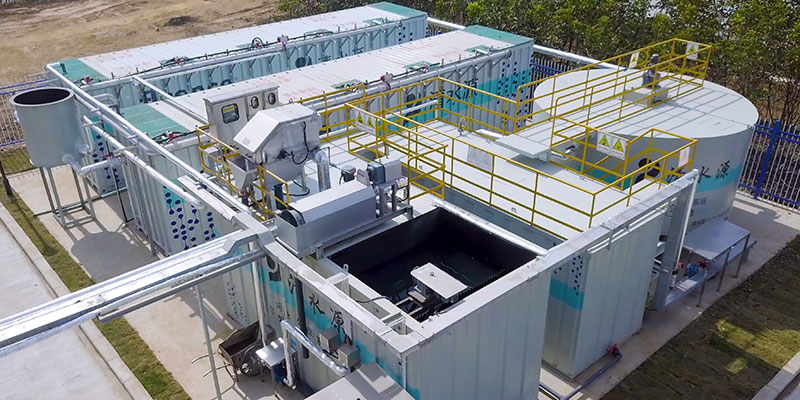
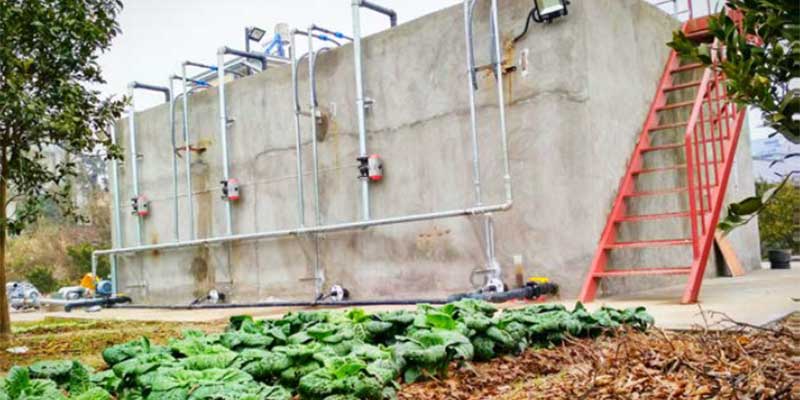
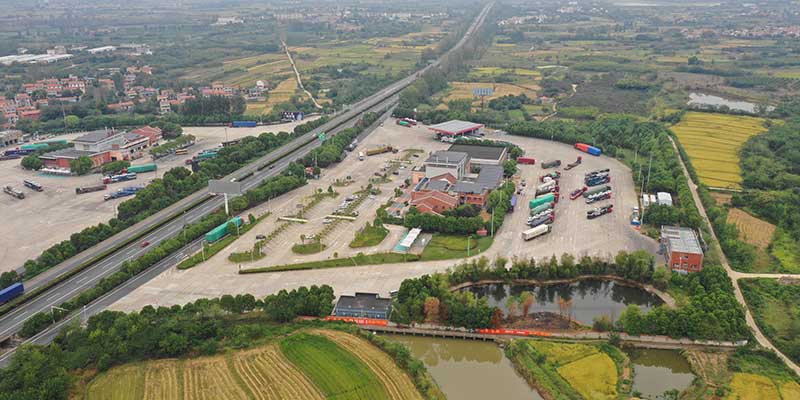
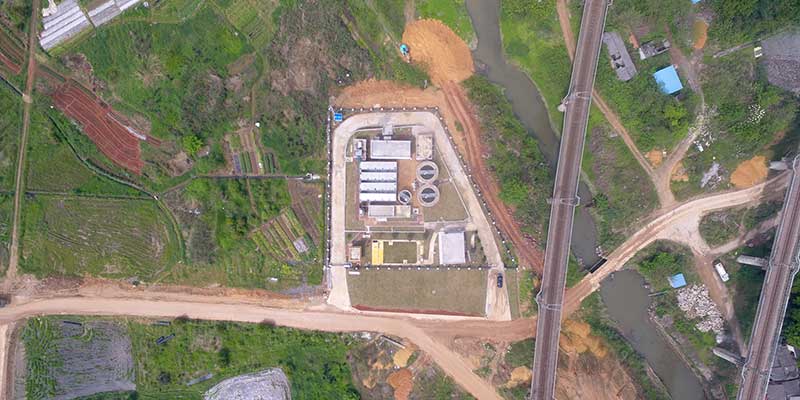
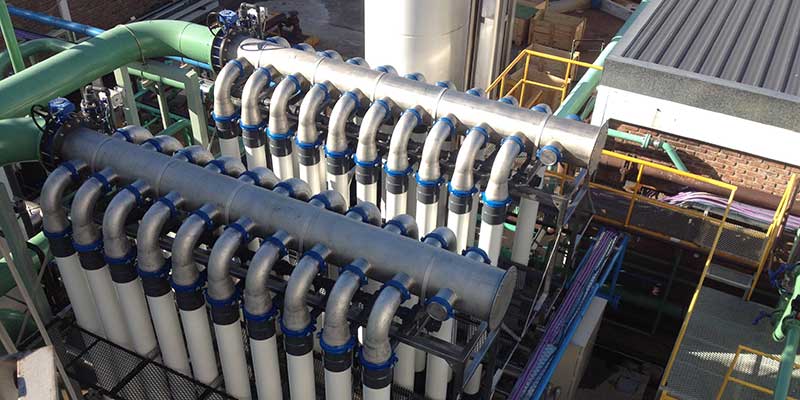
See Fluence decentralized water and wastewater solutions in action.
What's New at Fluence?
Recent ASX and Press Releases
Latest Blog Posts
Improving Sustainability in the Food and Beverage Industry
Companies seek ways to reduce their impact on the environment The food and beverage industry plays a huge role in feeding the world, and this comes with an environmental cost. The good news is that many food and beverage companies are starting to implement creative...
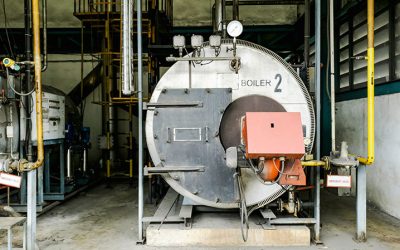
Maximizing Industrial Boiler Efficiency
Treating water with Fluence Boiler Optimization increases the efficiency and safety of equipment.
Unlocking Financial Flexibility: How BOO and Leasing Can Reduce CAPEX for Your Water Treatment Projects
Explore BOO and leasing options for water treatment projects, with opportunities for efficient, cost-effective solutions that meet infrastructure needs.
Global Media Coverage